Grass Tracks
2026 -
Returning to animal migration and marks made in grass.
Project Statement
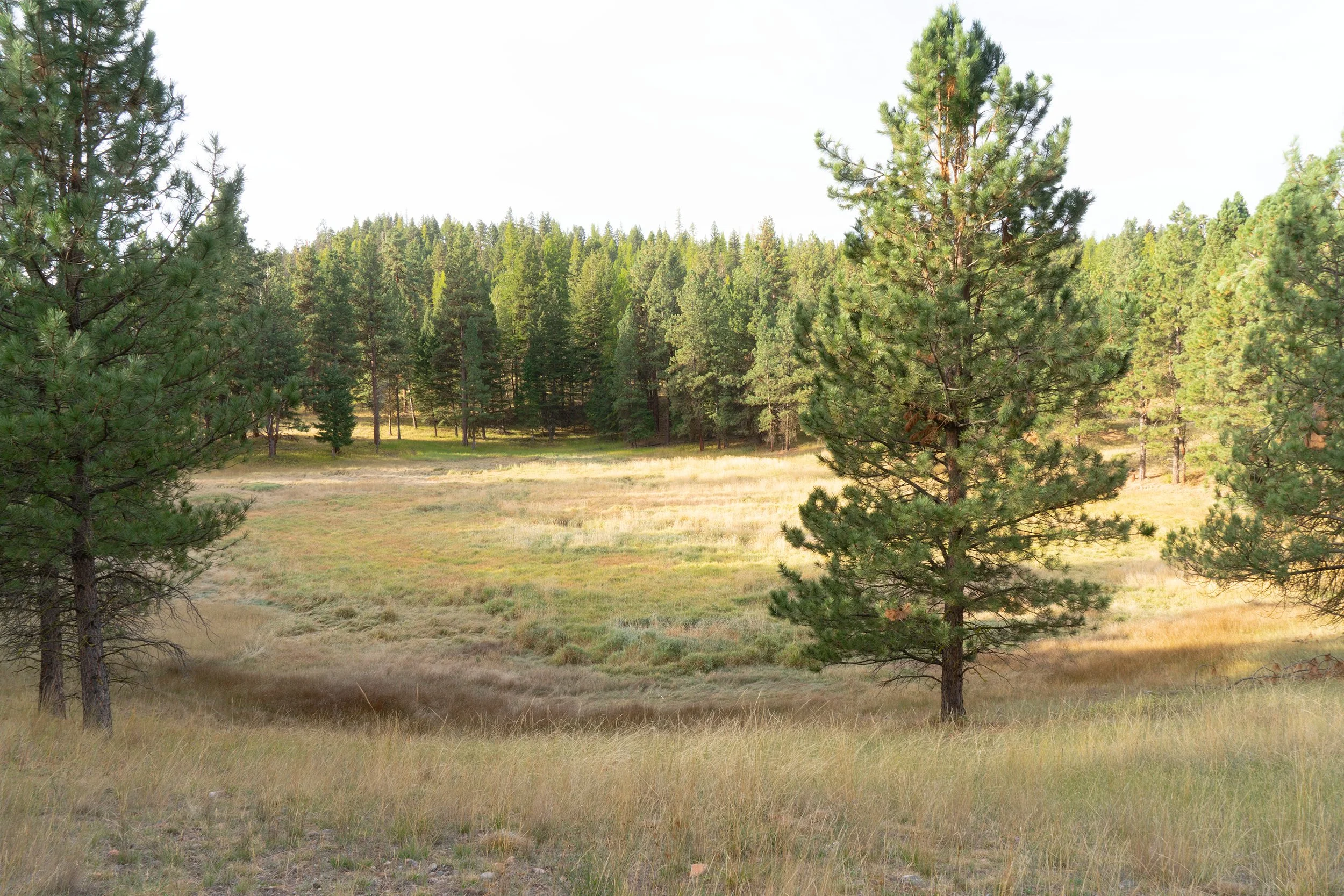
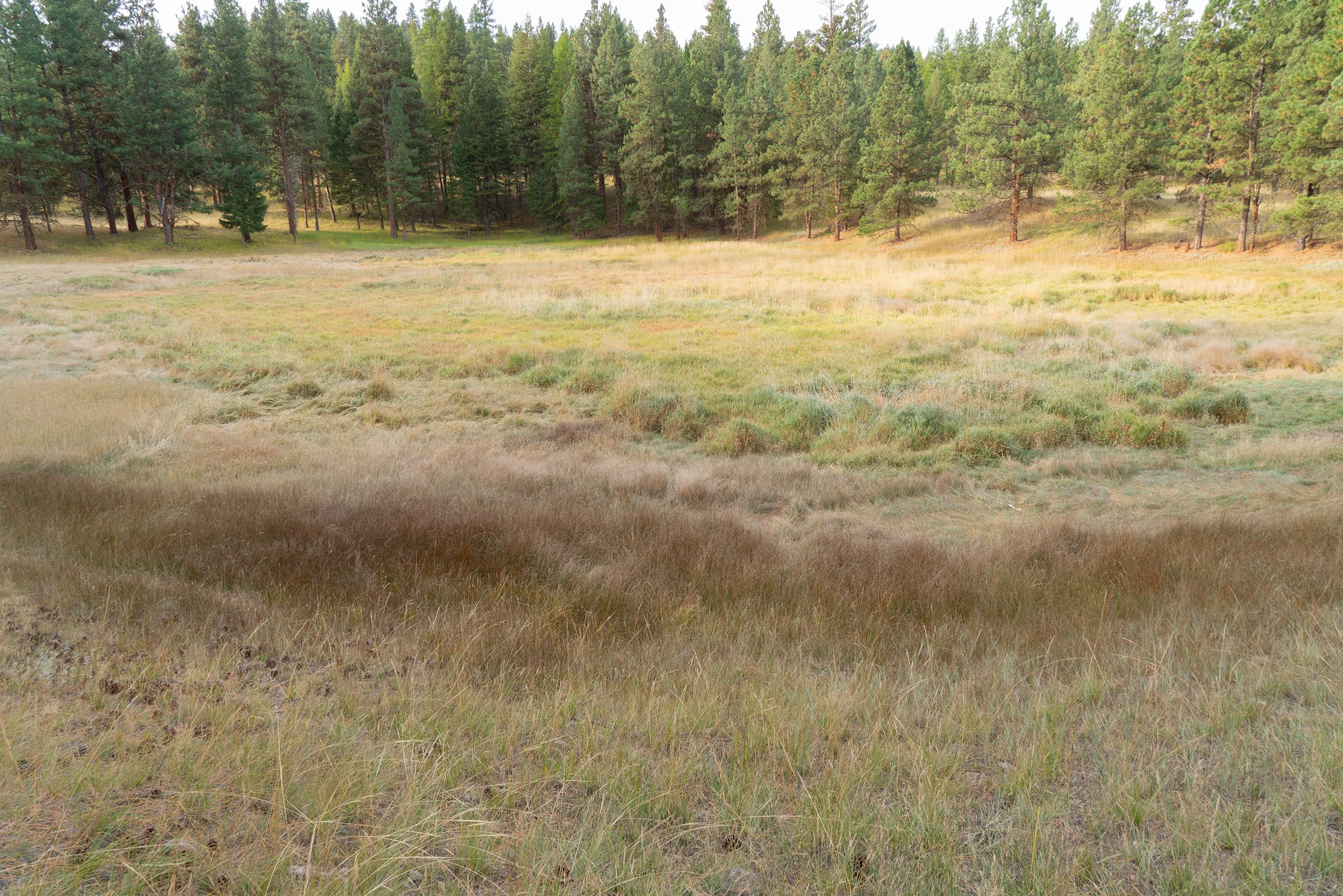
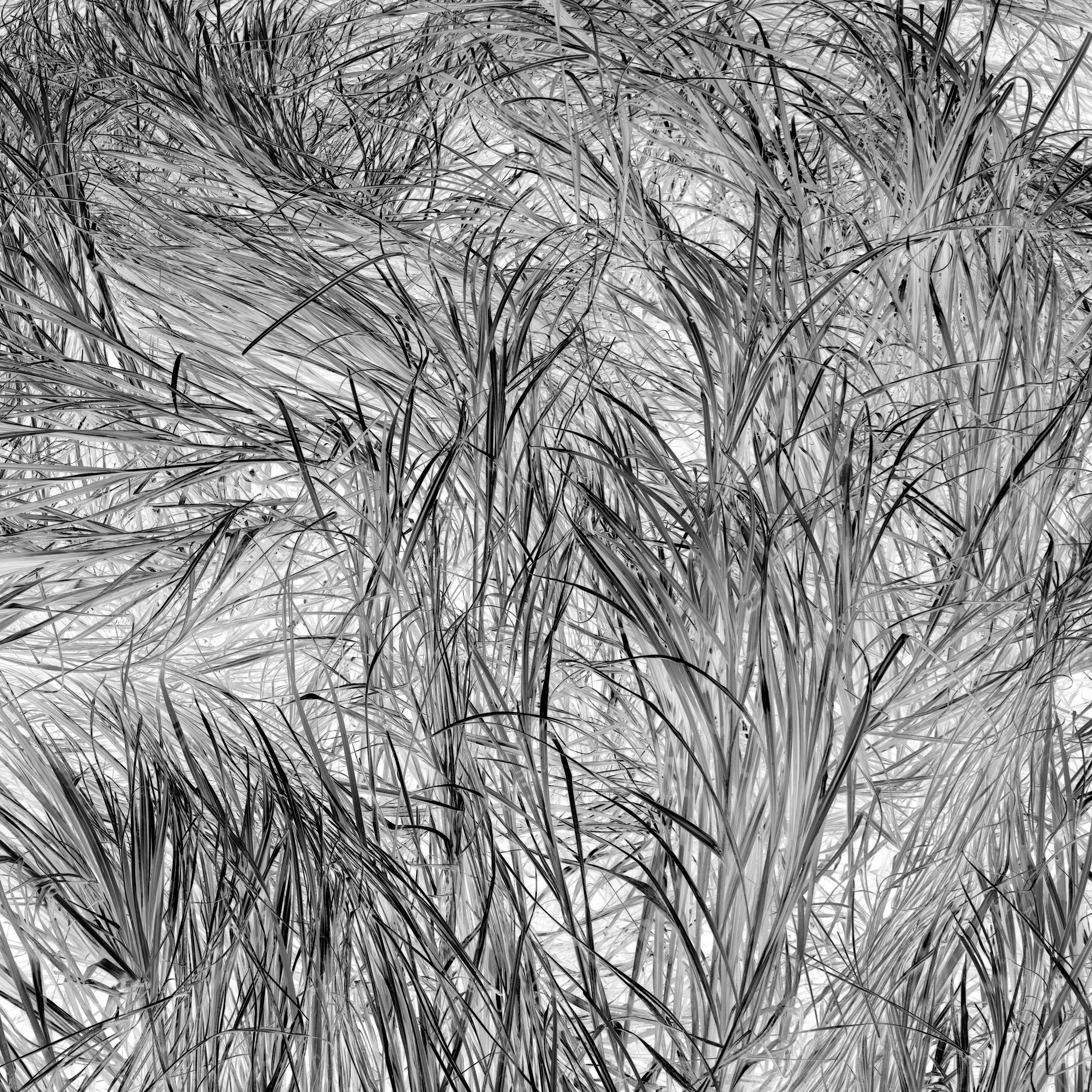
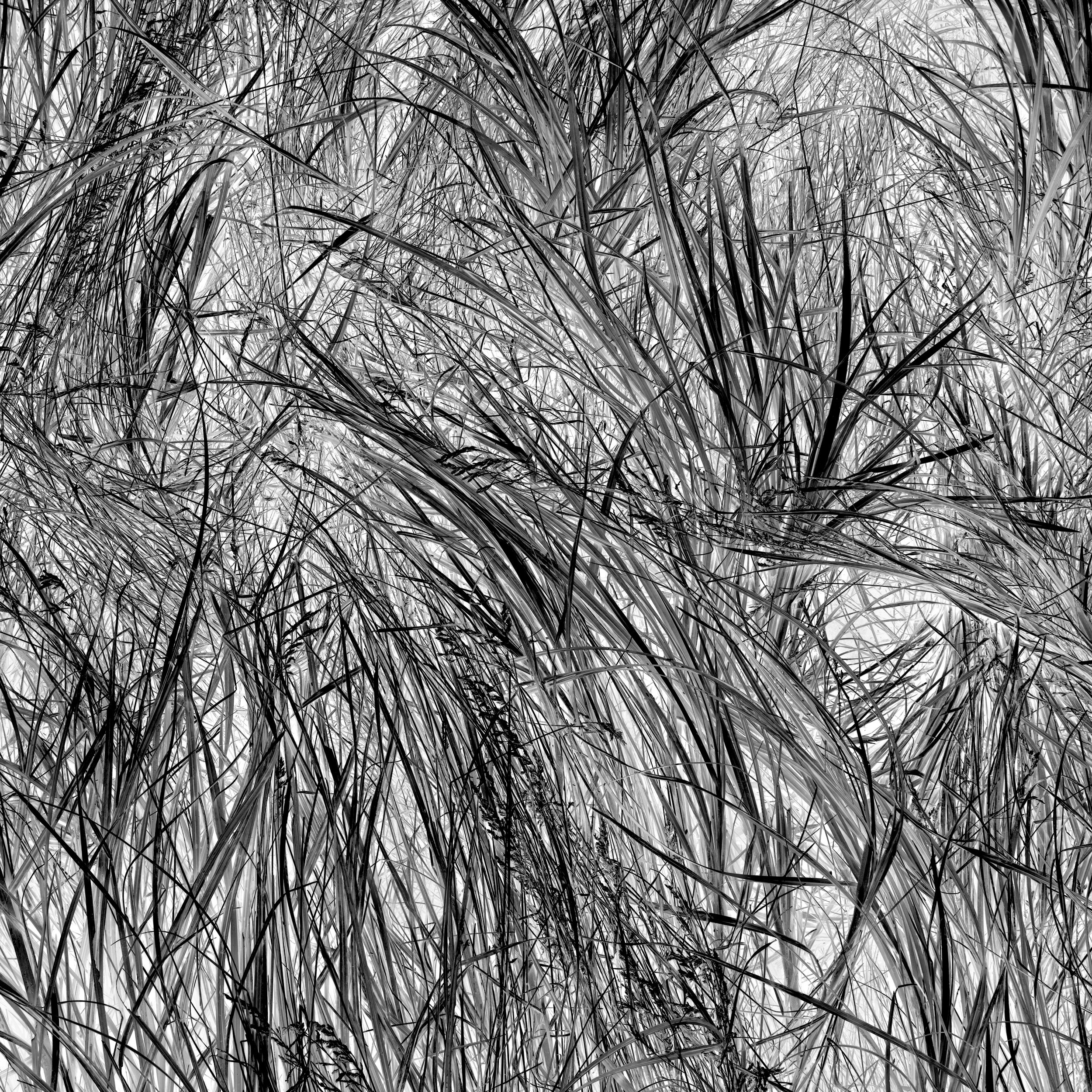
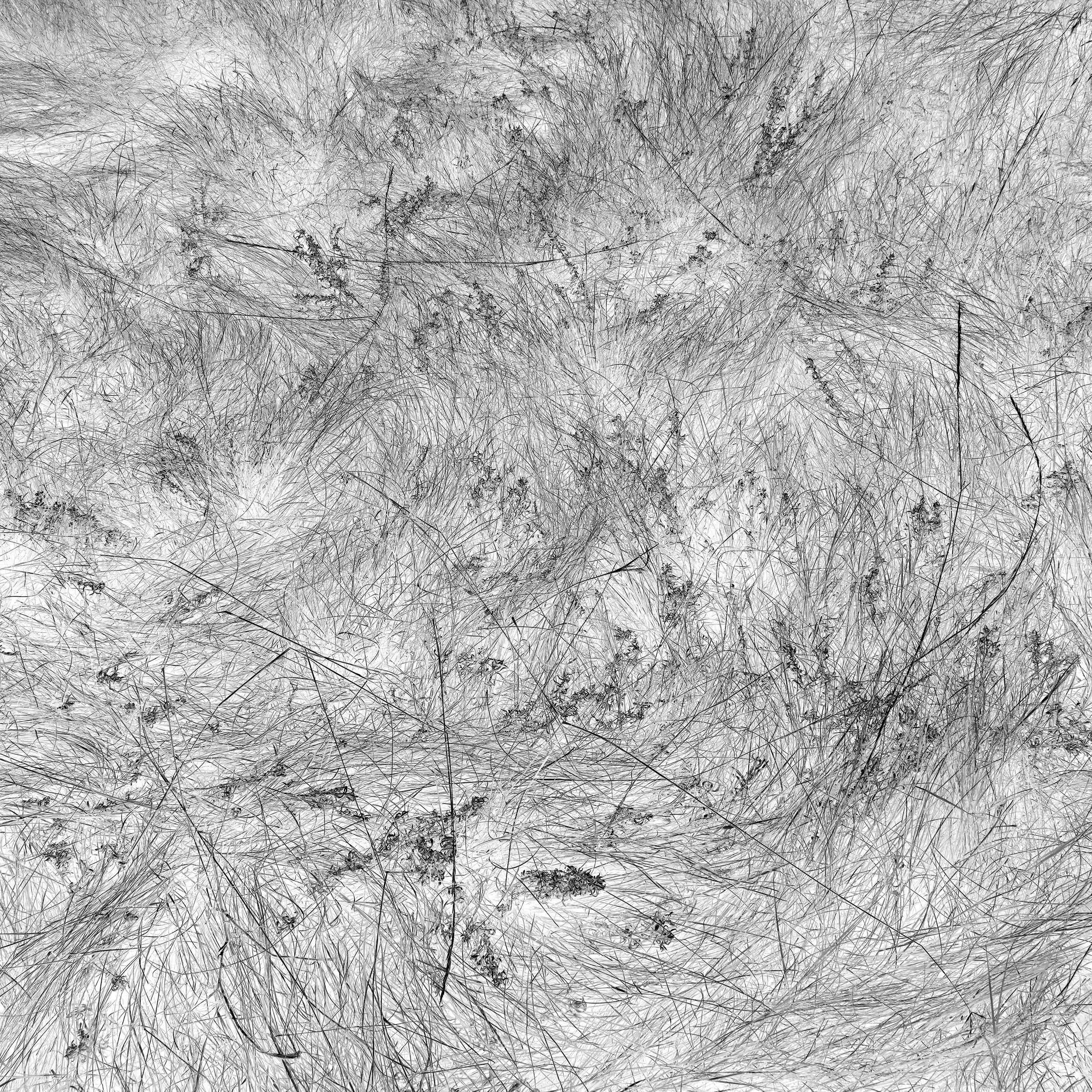
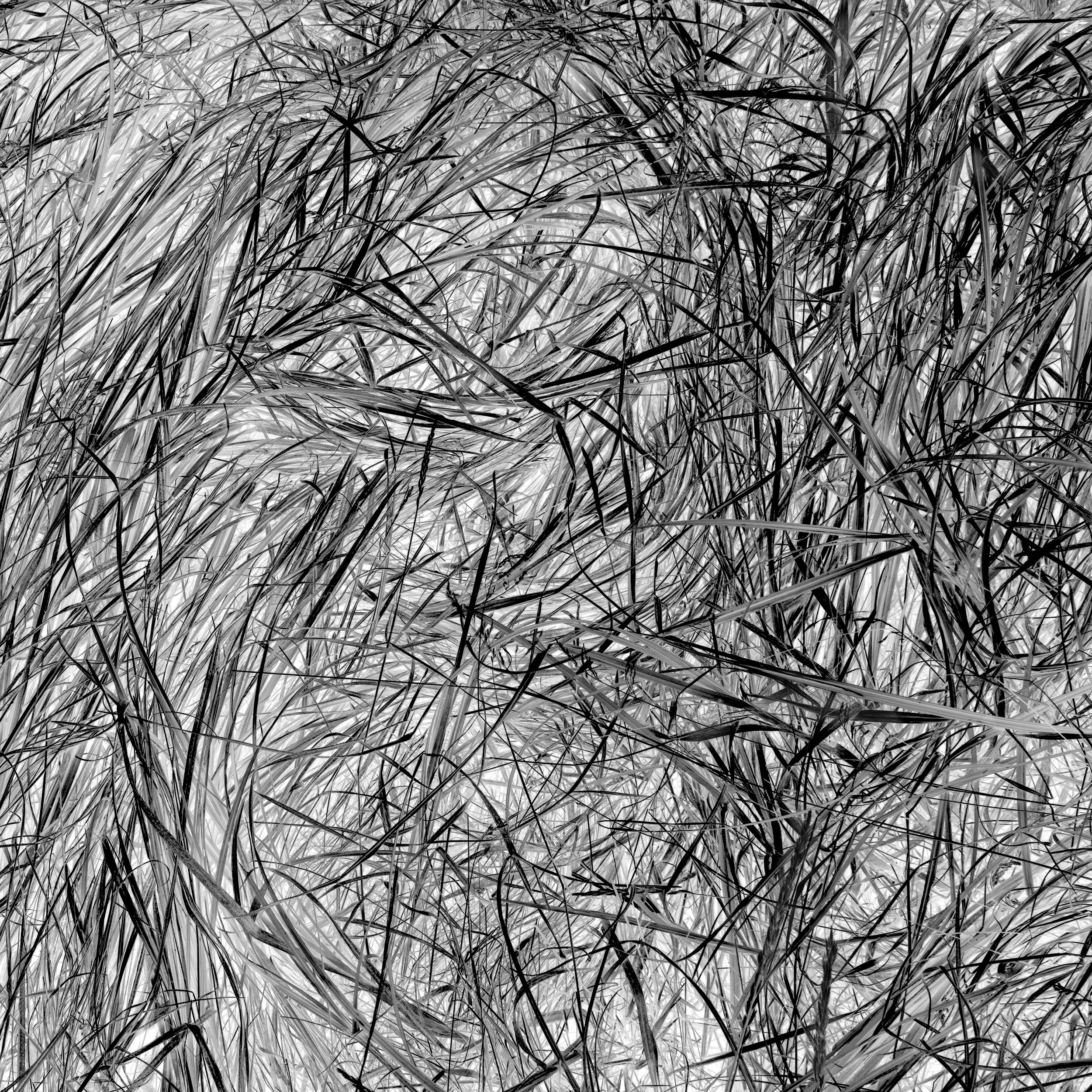
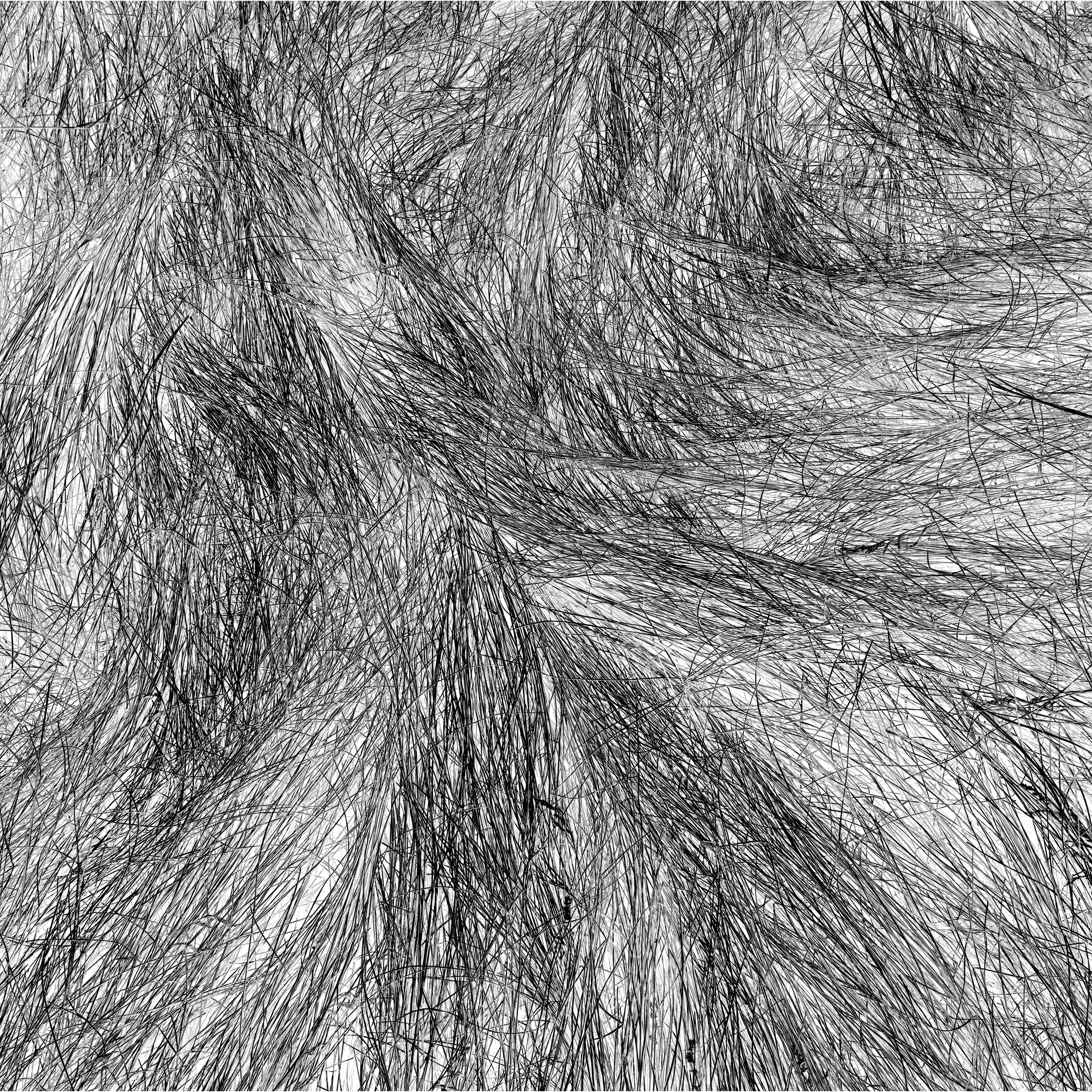
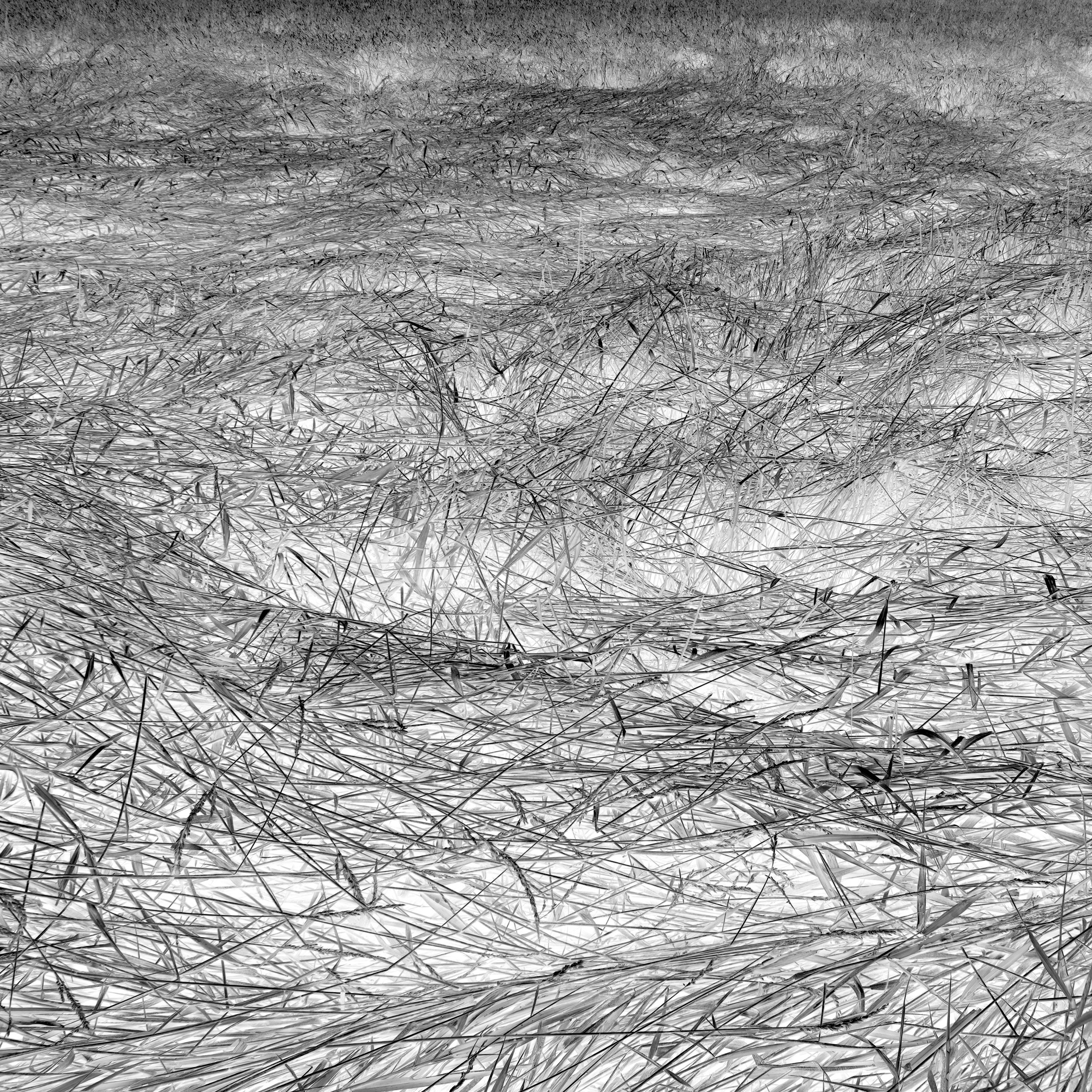
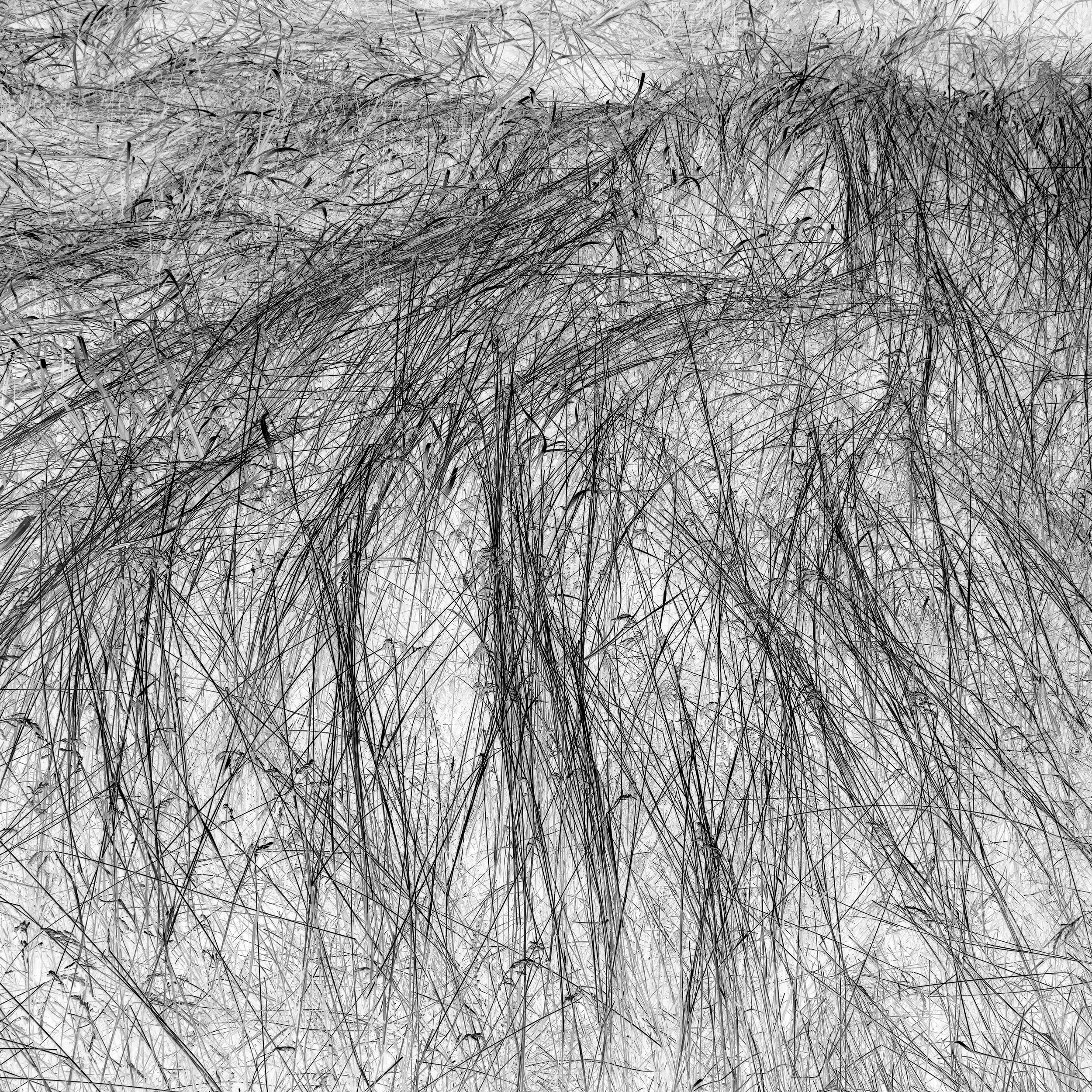
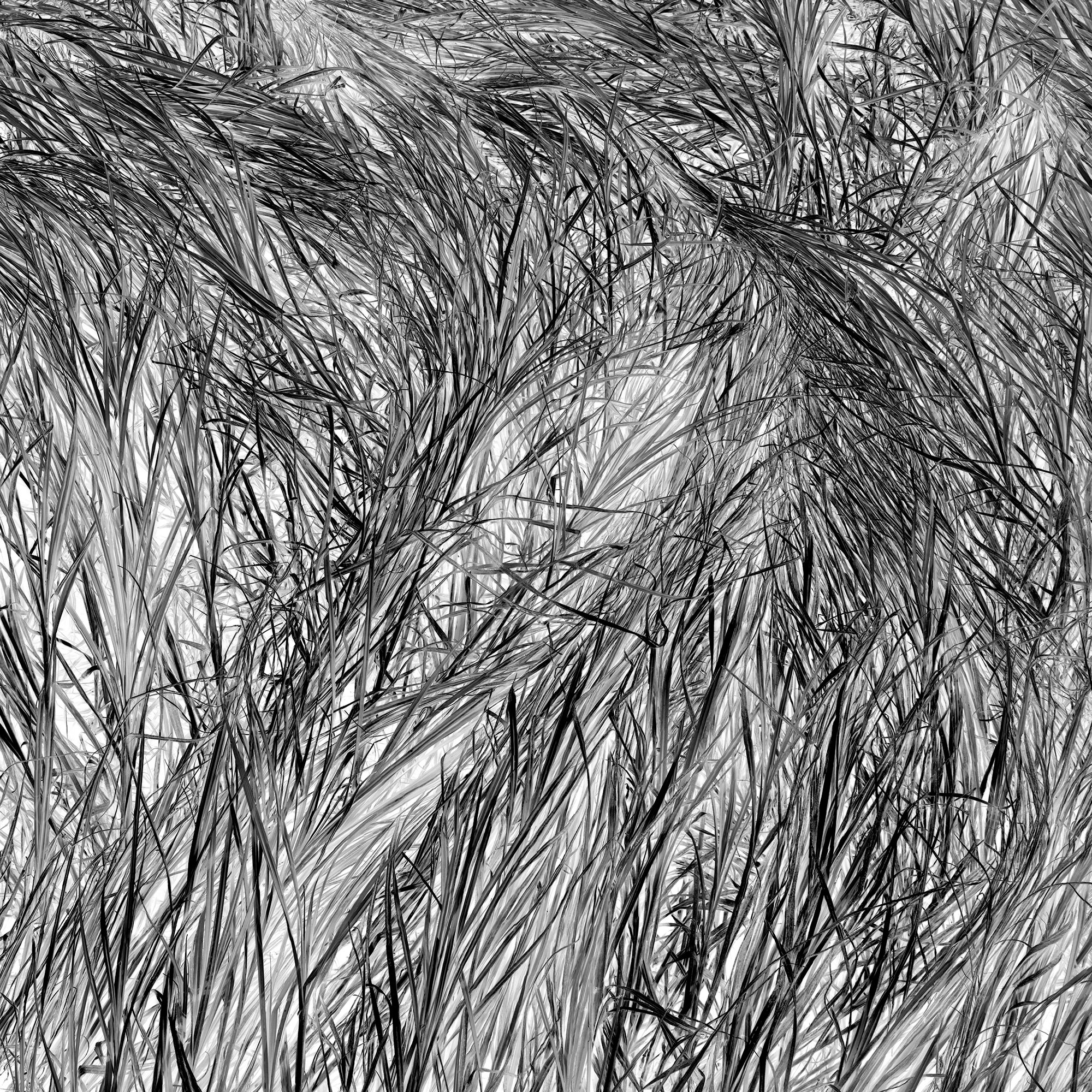
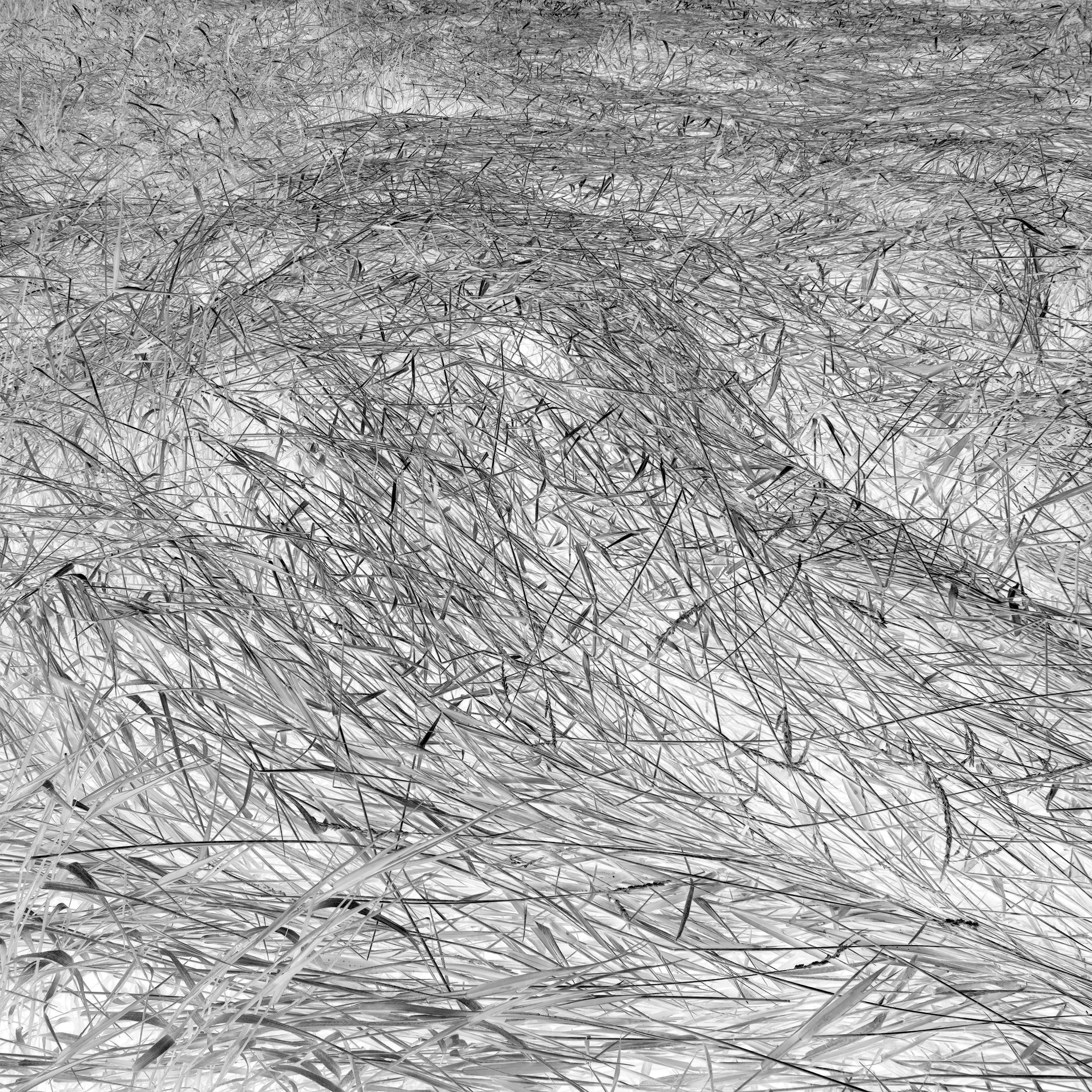
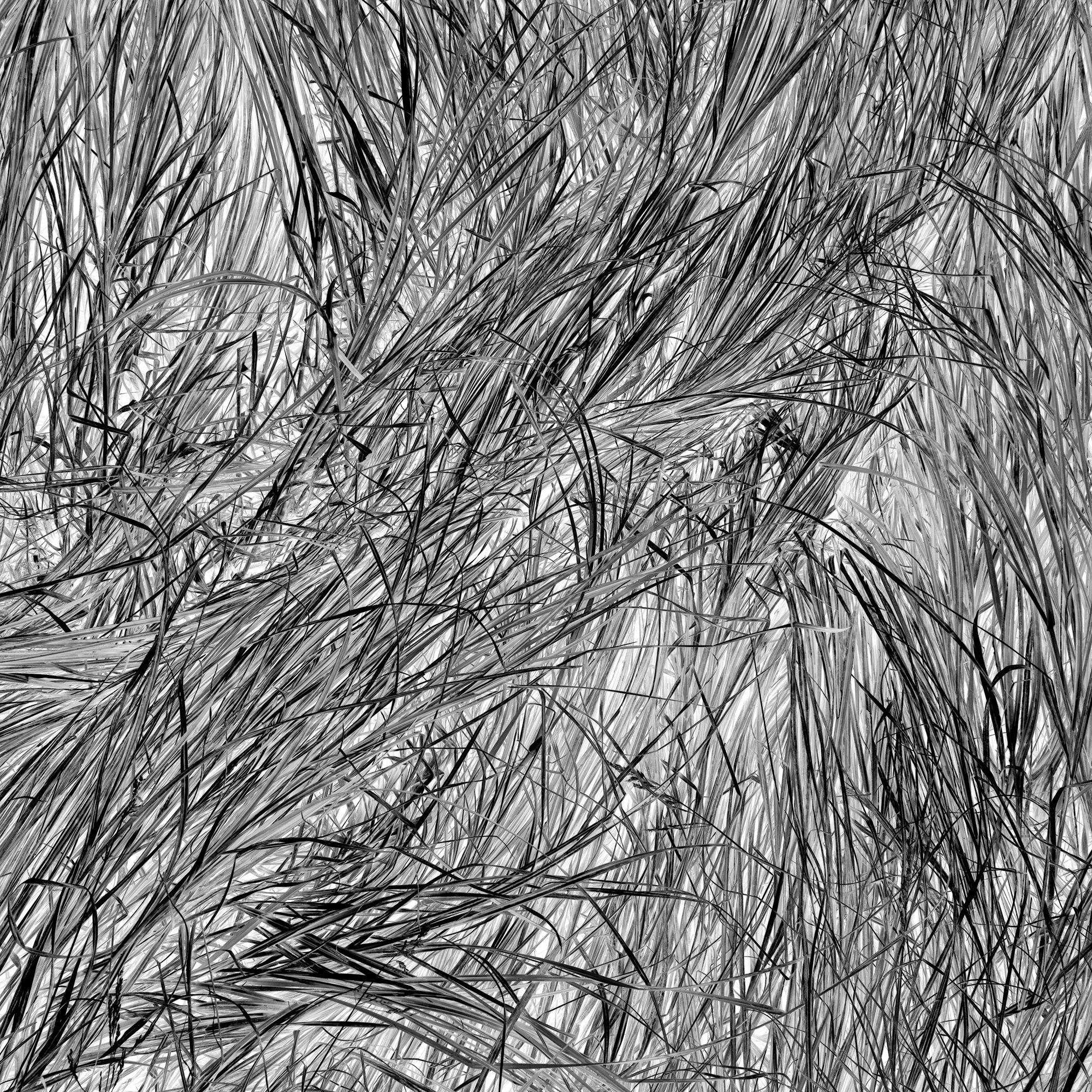
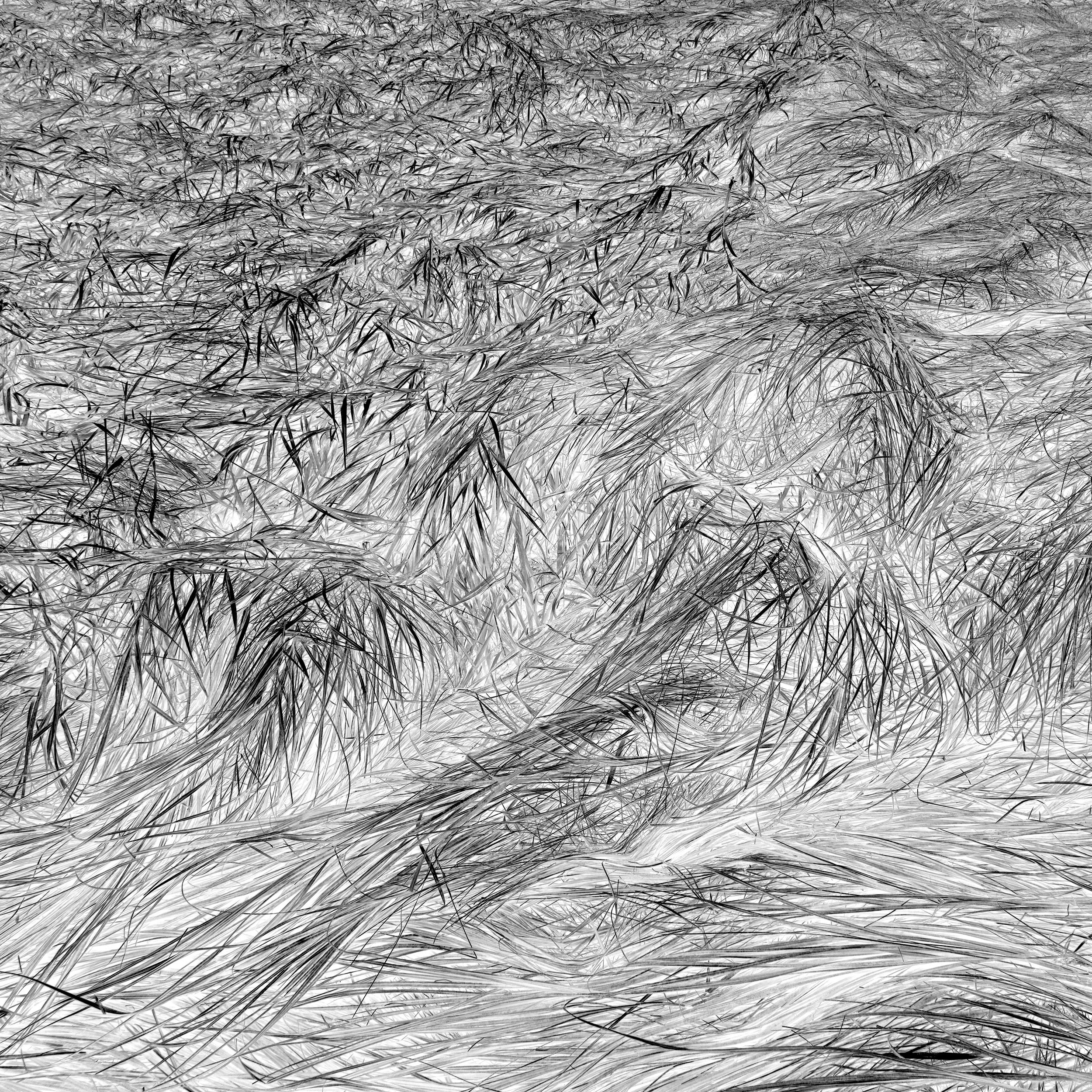
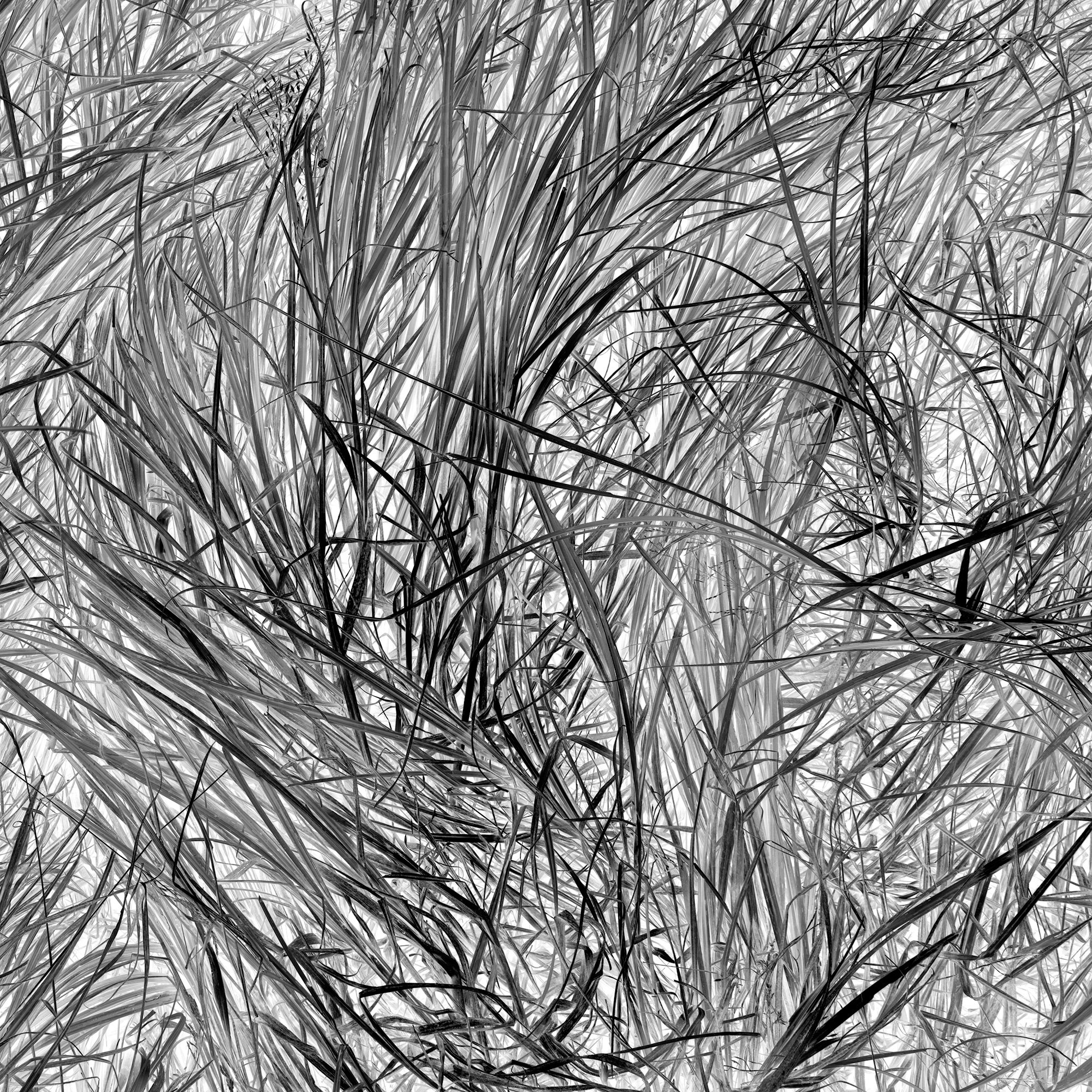
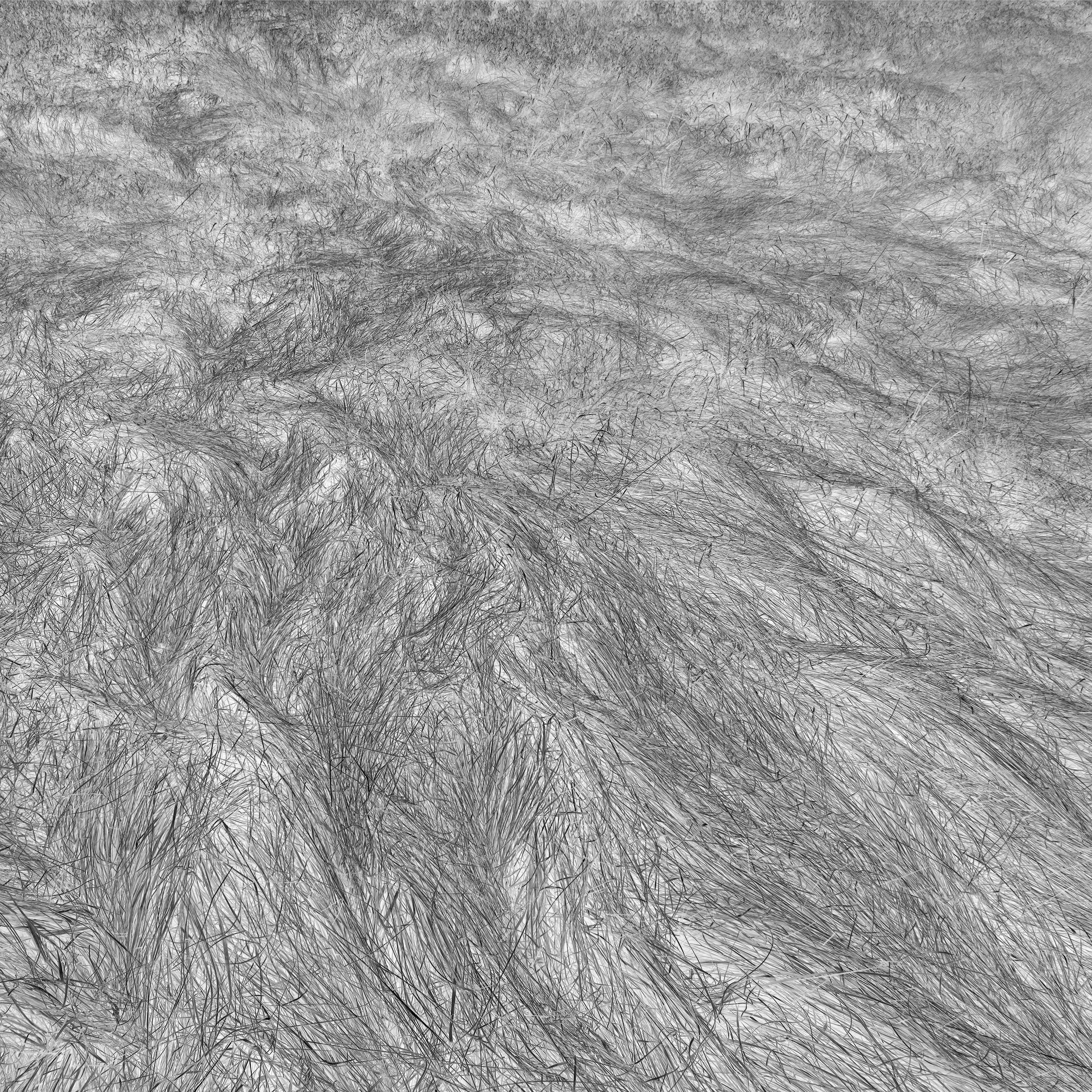
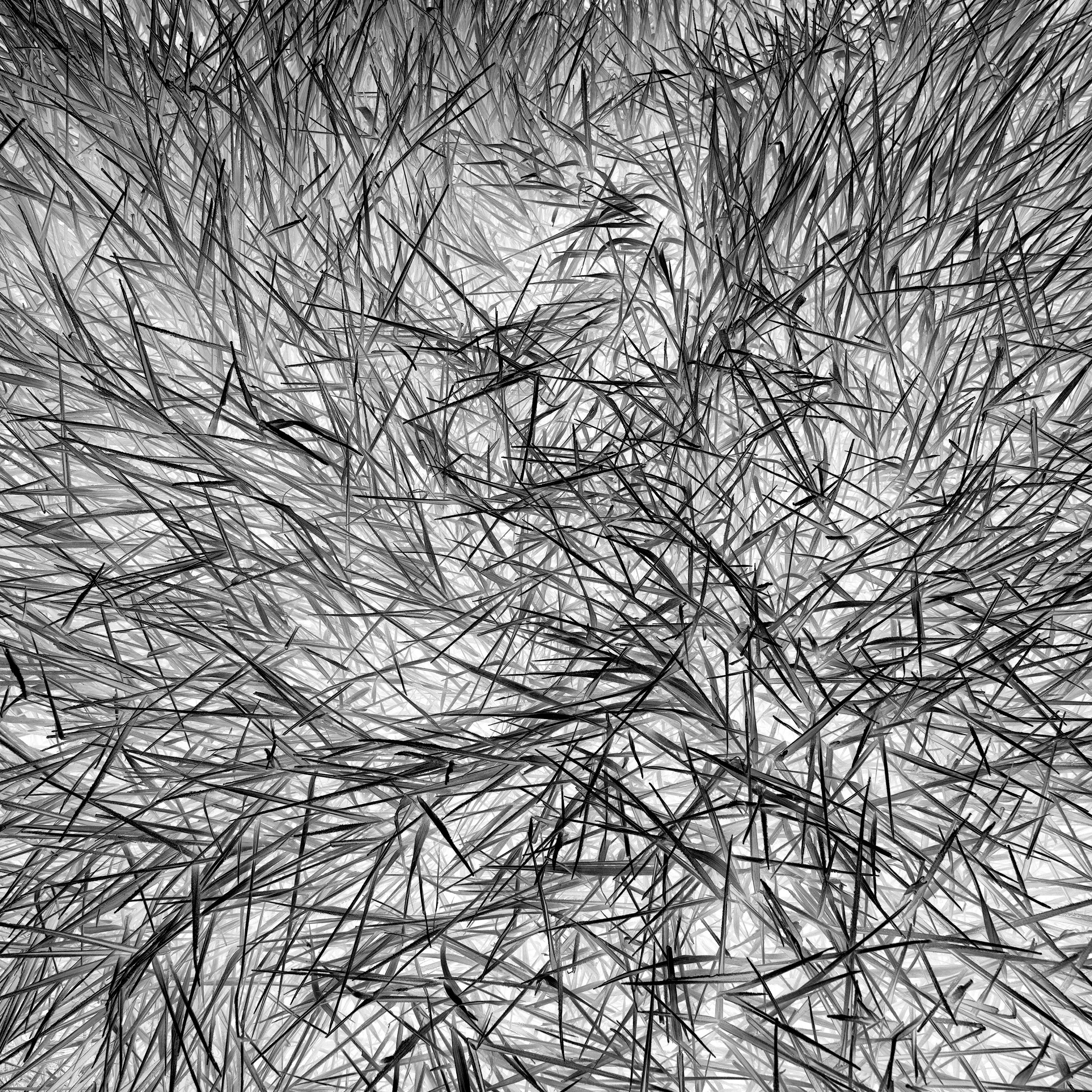
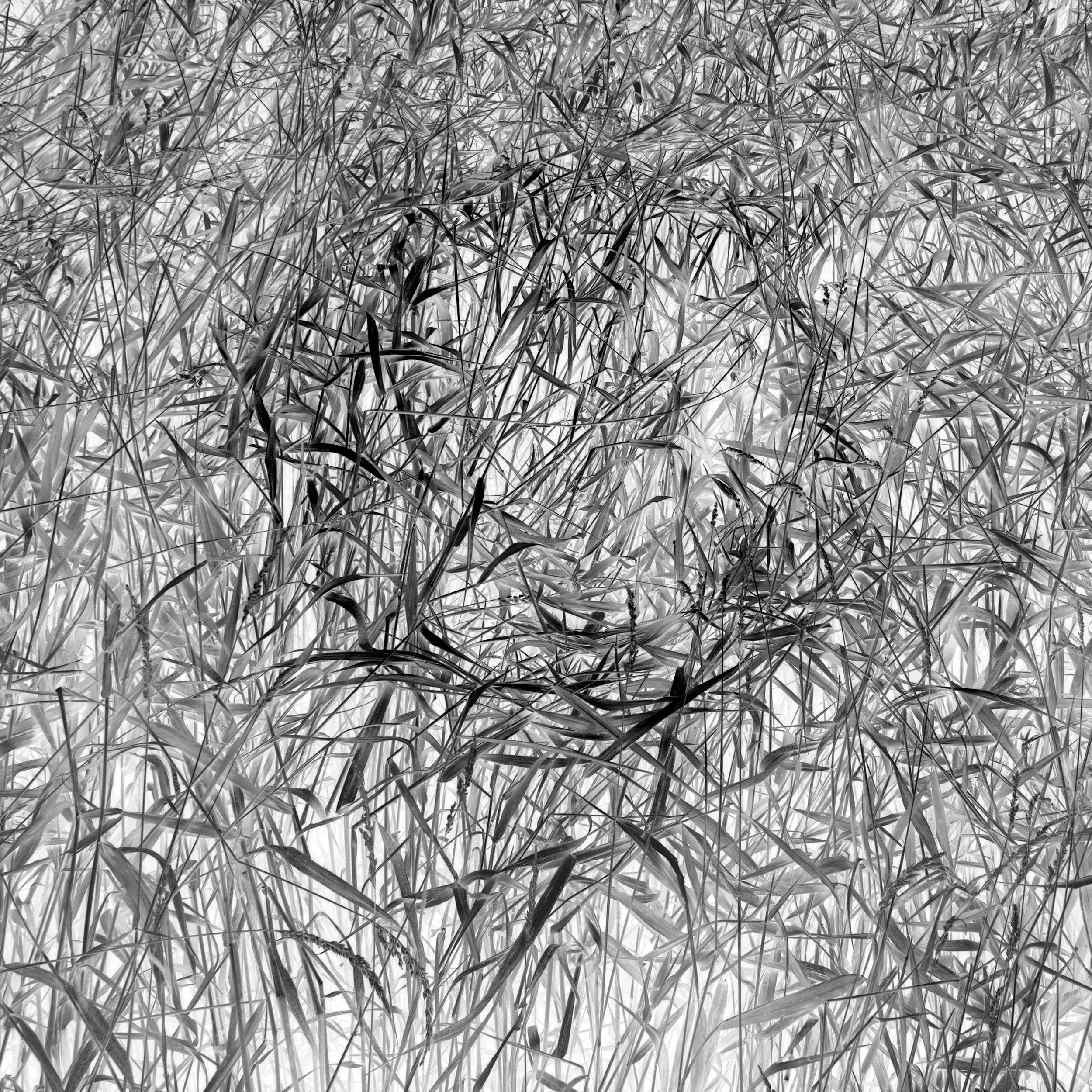
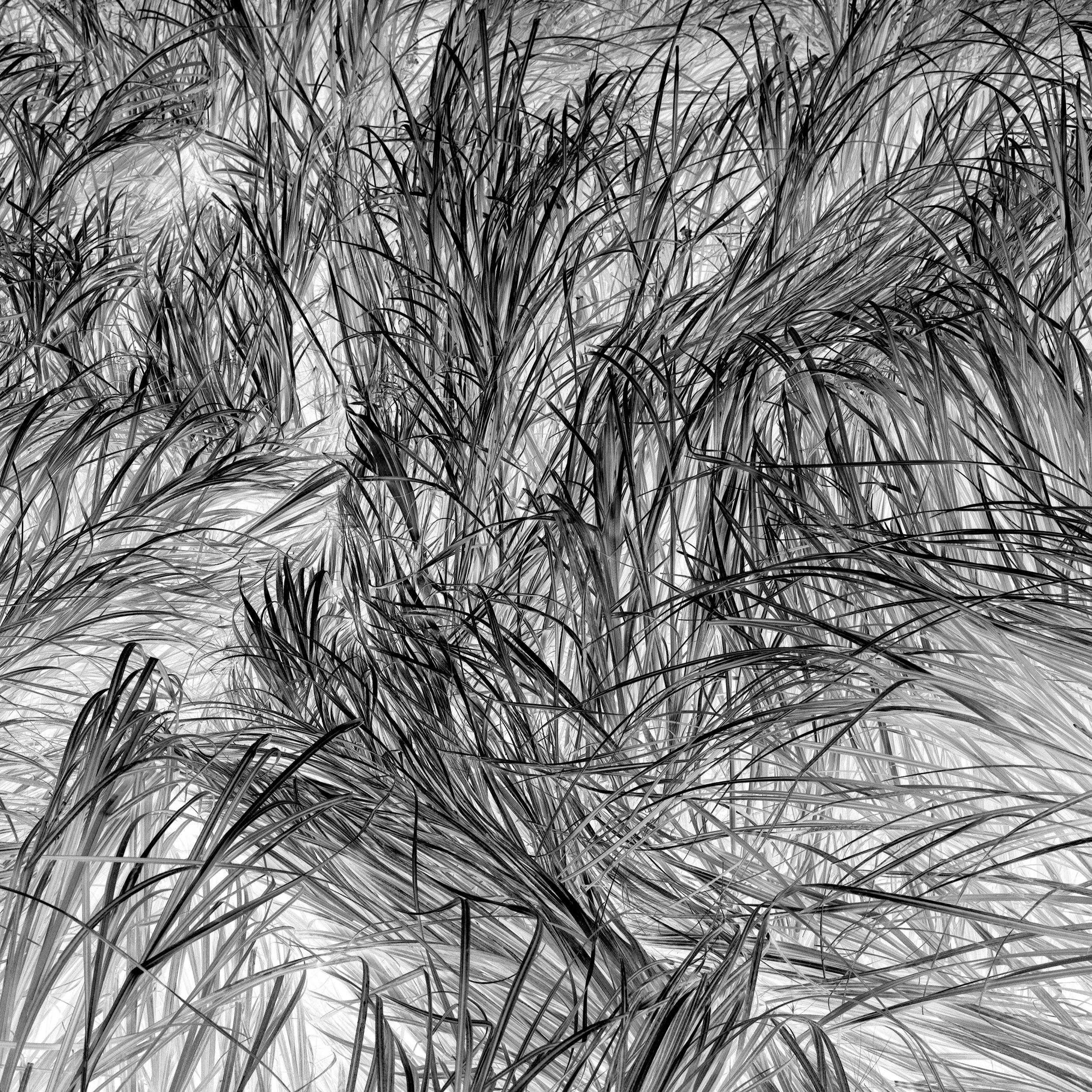
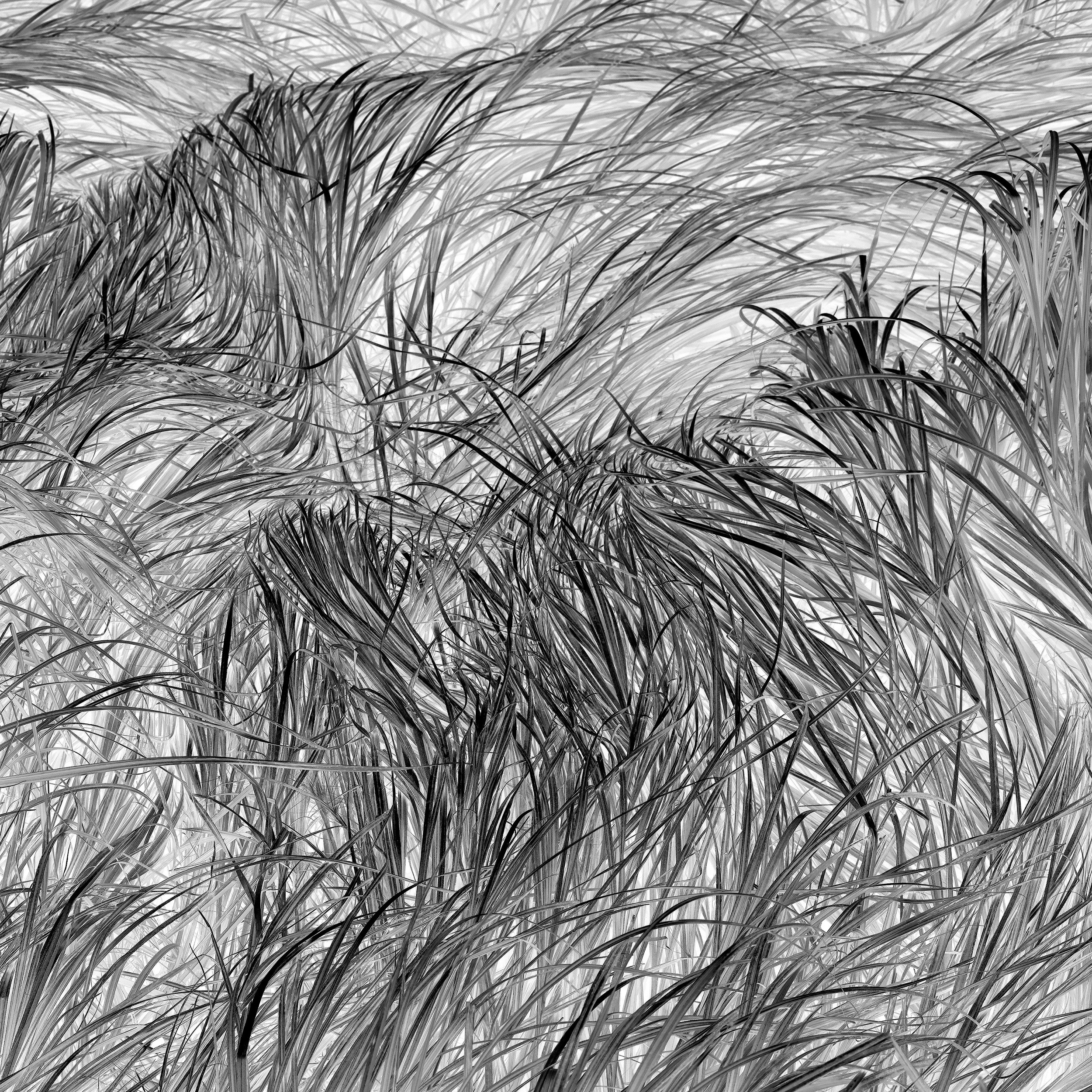
Their absence is what I notice first. The grass is bent over, flat as carpet, with small rounded divots left by the weight of animals moving through the landscape. Where their bodies lay, the grass swoops and curls like ocean waves in a protected bay. The marks they leave are what hold my attention.
Behind my house is a dry pond ringed by large ponderosa pine trees. I’ve only seen it with water once, during a particularly wet spring. I walk to this pond many times a week and by late summer the grass can stand taller than I do. Deer, elk and large predators migrate through this area in all seasons. I have been photographing here since 2011.
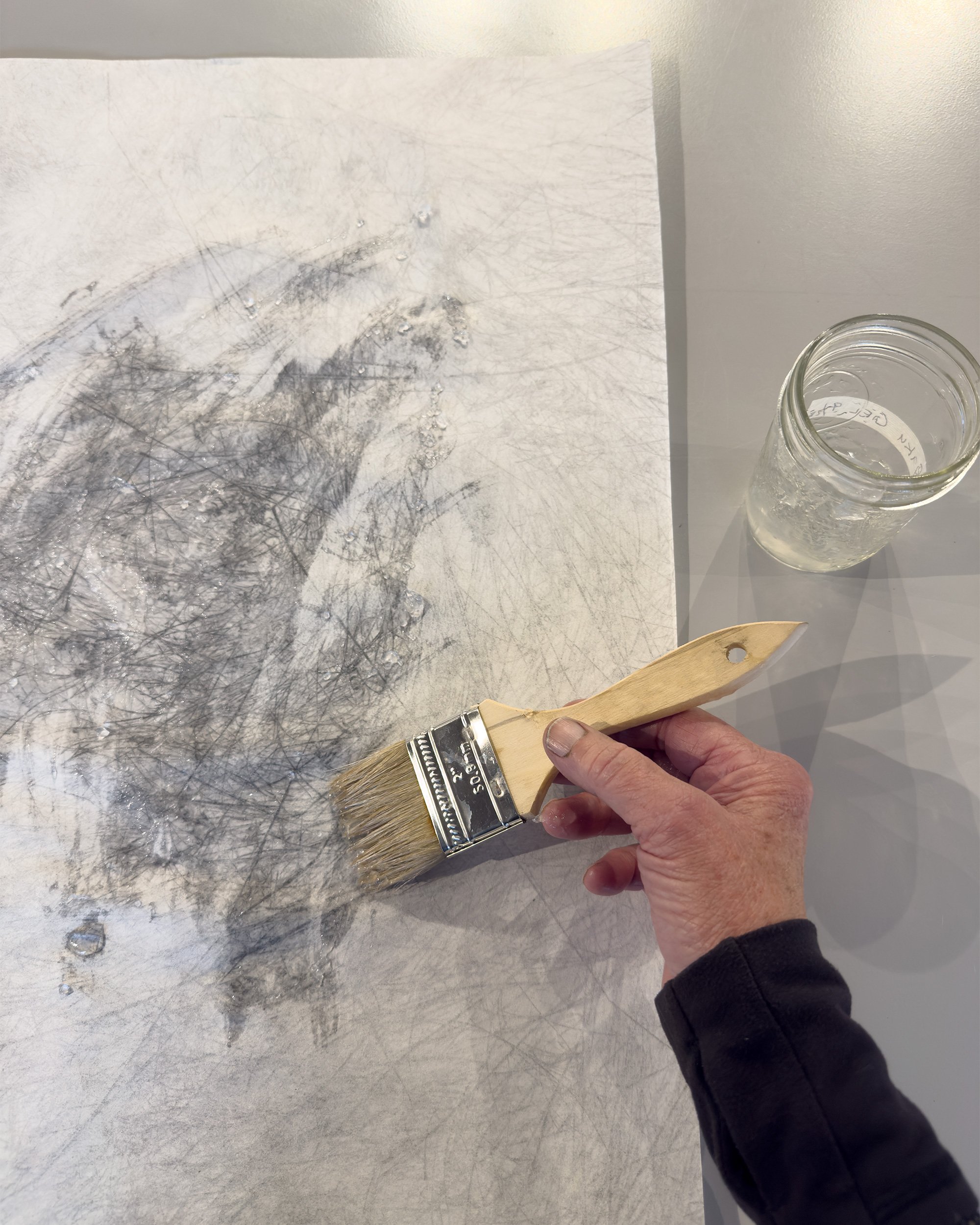
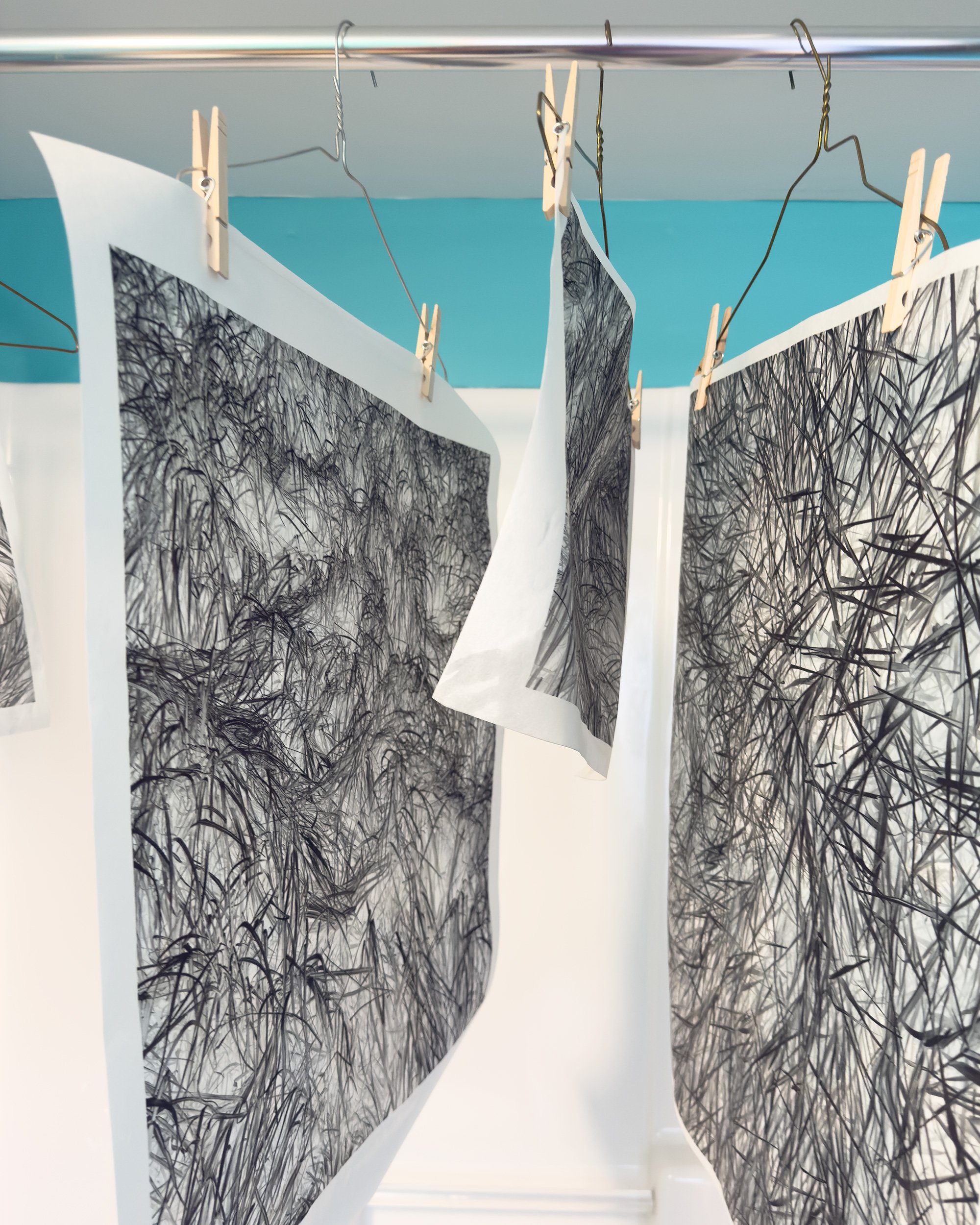
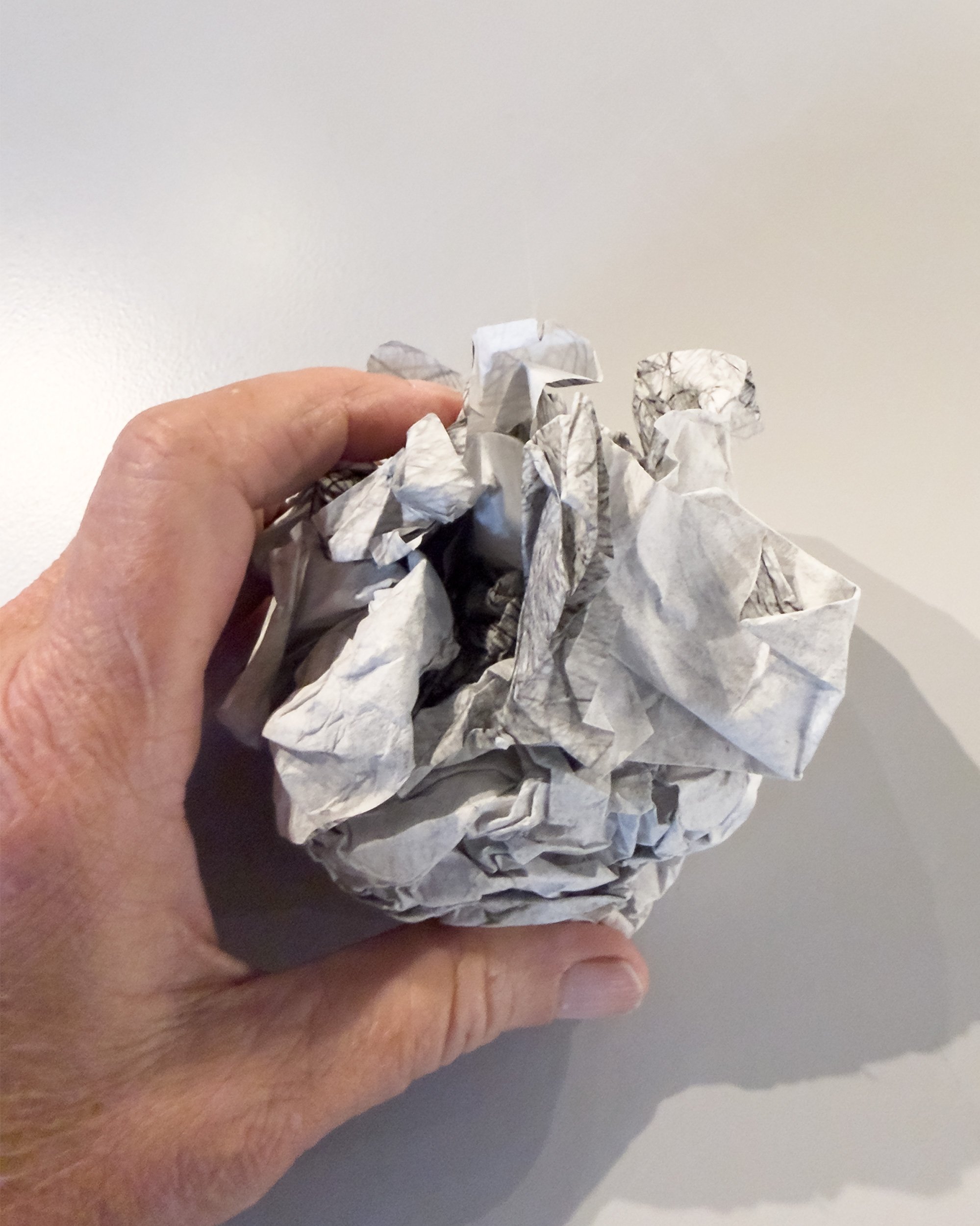
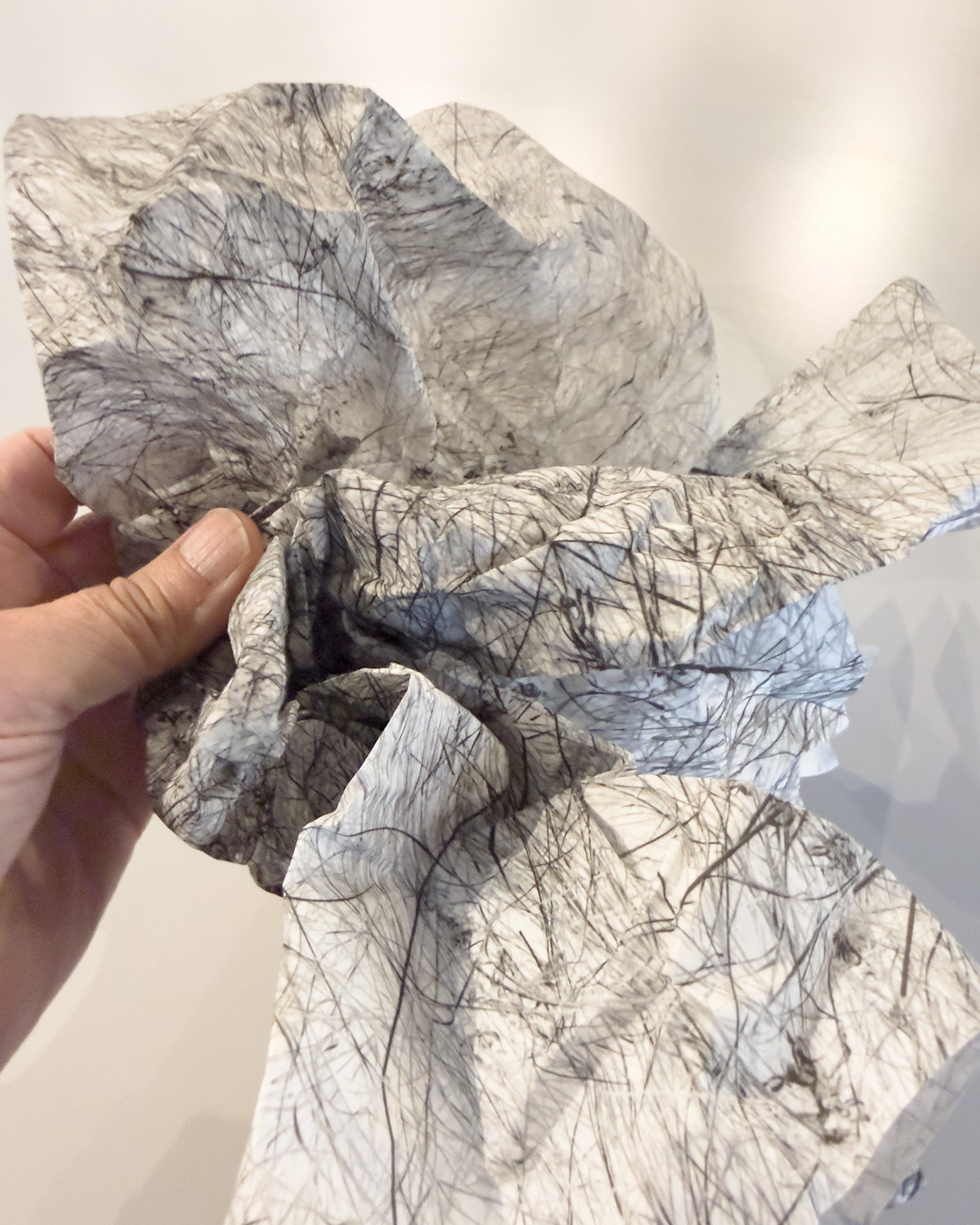
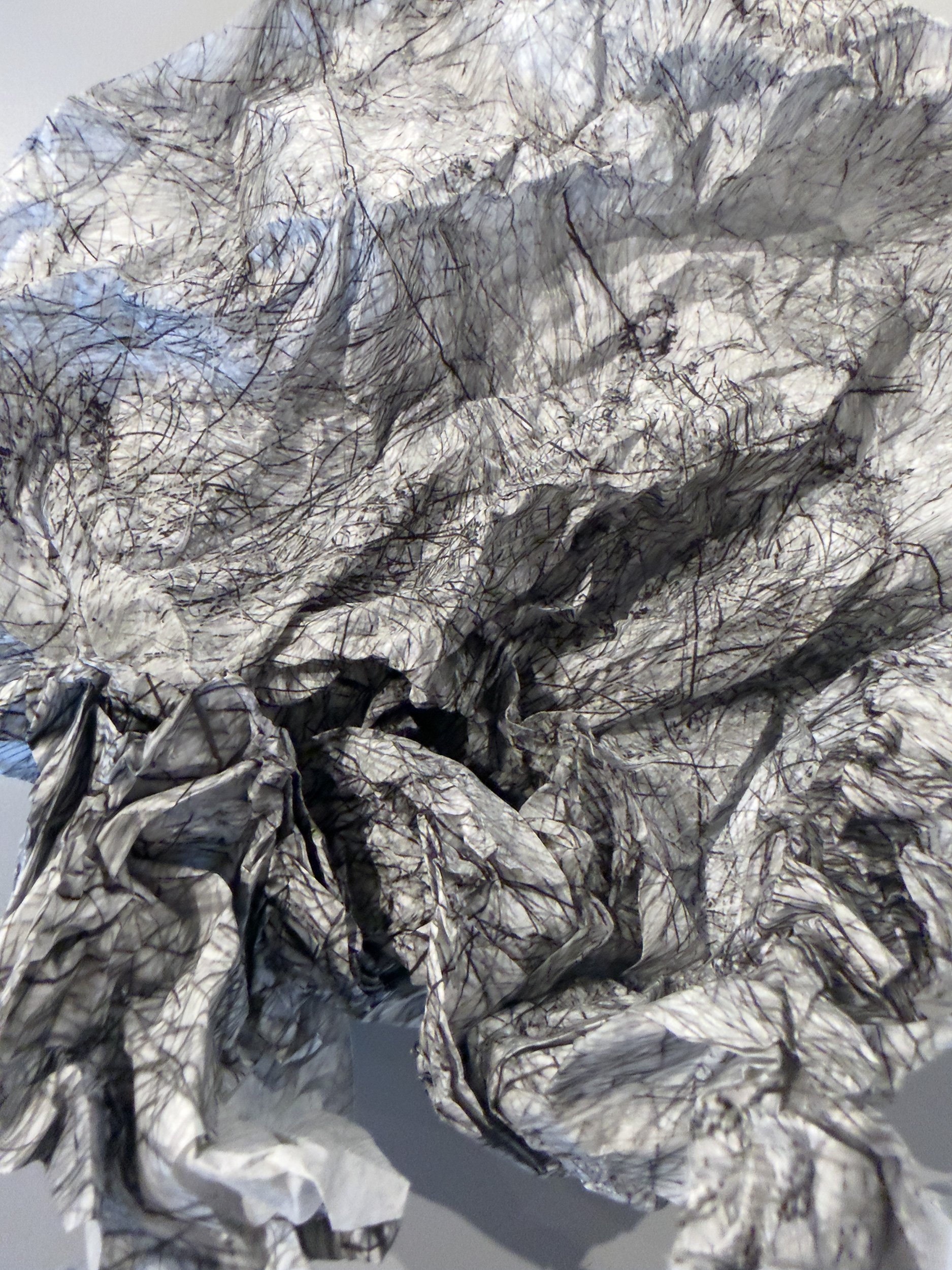
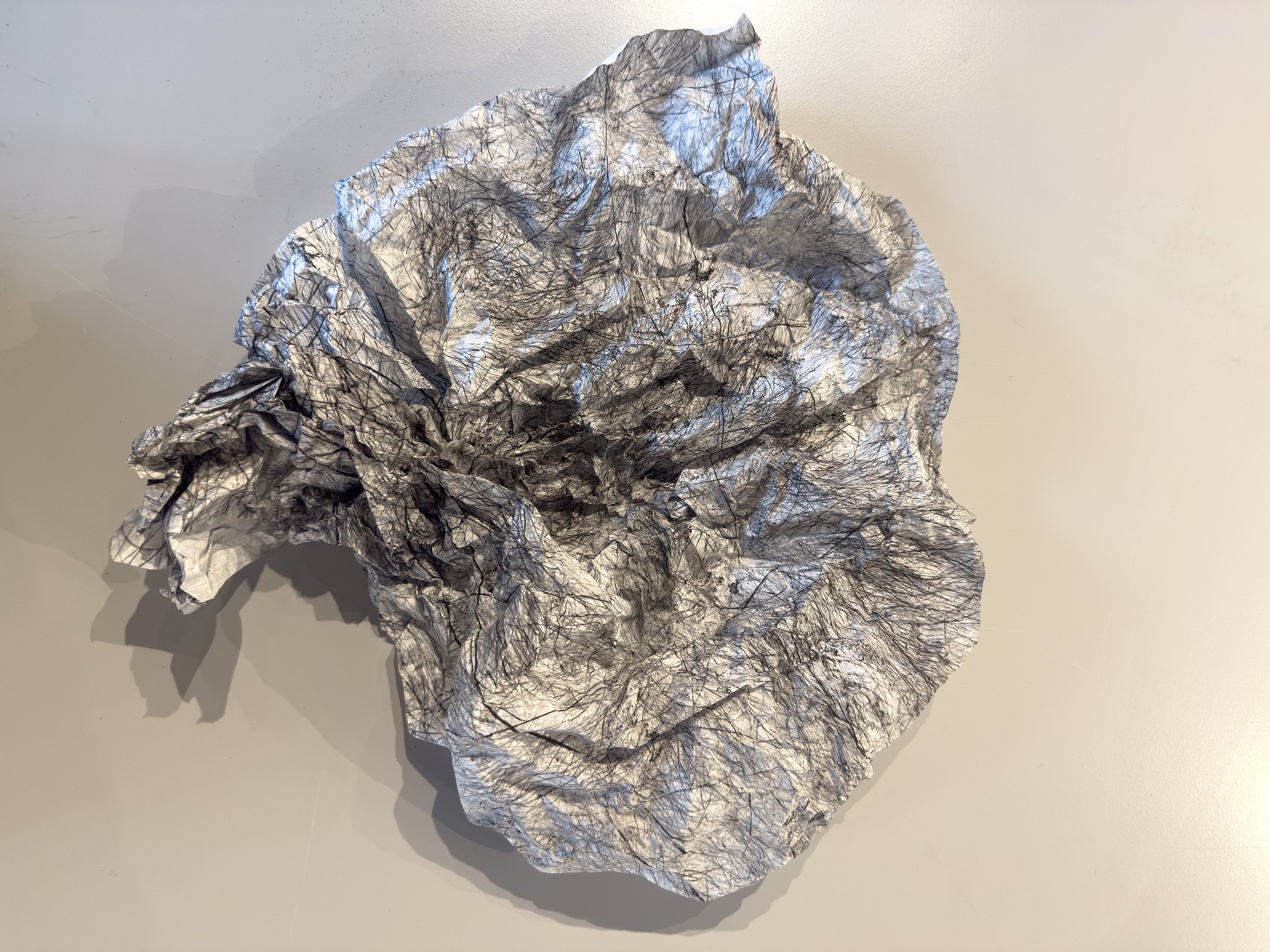
In Grass Tracks, I observe fragments of this larger landscape, exploring the traces animals leave behind. My work considers the relationship between presence and absence, and between the photographic positive and negative. Presented in negative form, the photographs are printed with archival pigments on Japanese Kozo paper. Through the Japanese process of momigami, I knead and transform the paper, rending and repairing, giving its surface topographic qualities that echo the landscape.